






Sale!
BEST SELLERS
Original price was: $19.99.$3.00Current price is: $3.00.
Sale!
BEST SELLERS
Original price was: $16.99.$3.00Current price is: $3.00.
Sale!
BEST SELLERS
Original price was: $22.99.$3.00Current price is: $3.00.
Sale!
BEST SELLERS
Original price was: $24.99.$3.00Current price is: $3.00.
Sale!

BEST SELLERS
Original price was: $19.99.$3.00Current price is: $3.00.
Sale!


BEST SELLERS
Original price was: $8.99.$4.50Current price is: $4.50.
Sale!

BEST SELLERS
$3.00
Sale!
BEST SELLERS
Original price was: $22.99.$3.00Current price is: $3.00.
Sale!
BEST SELLERS
Original price was: $16.99.$3.00Current price is: $3.00.
Sale!

BEST SELLERS
Original price was: $16.99.$3.00Current price is: $3.00.
Sale!
BEST SELLERS
Original price was: $19.99.$3.00Current price is: $3.00.
Sale!
BEST SELLERS
Original price was: $17.99.$3.00Current price is: $3.00.
Sale!
BEST SELLERS
Original price was: $19.99.$3.00Current price is: $3.00.
Sale!
BEST SELLERS
Original price was: $19.99.$3.00Current price is: $3.00.
Sale!

BEST SELLERS
Original price was: $19.99.$3.00Current price is: $3.00.
Sale!
BEST SELLERS
$3.00
Sale!
BEST SELLERS
Original price was: $20.99.$3.00Current price is: $3.00.
Sale!
BEST SELLERS
Original price was: $16.99.$3.00Current price is: $3.00.
Sale!
BEST SELLERS
Original price was: $20.99.$3.00Current price is: $3.00.
Sale!
BEST SELLERS
Price range: $2.50 through $4.00
Sale!
BEST SELLERS
Original price was: $19.99.$3.00Current price is: $3.00.
Sale!

BEST SELLERS
$3.00
Sale!
BEST SELLERS
Original price was: $19.99.$3.00Current price is: $3.00.
Sale!
BEST SELLERS
Original price was: $16.99.$3.00Current price is: $3.00.
SHOP BY CATEGORY
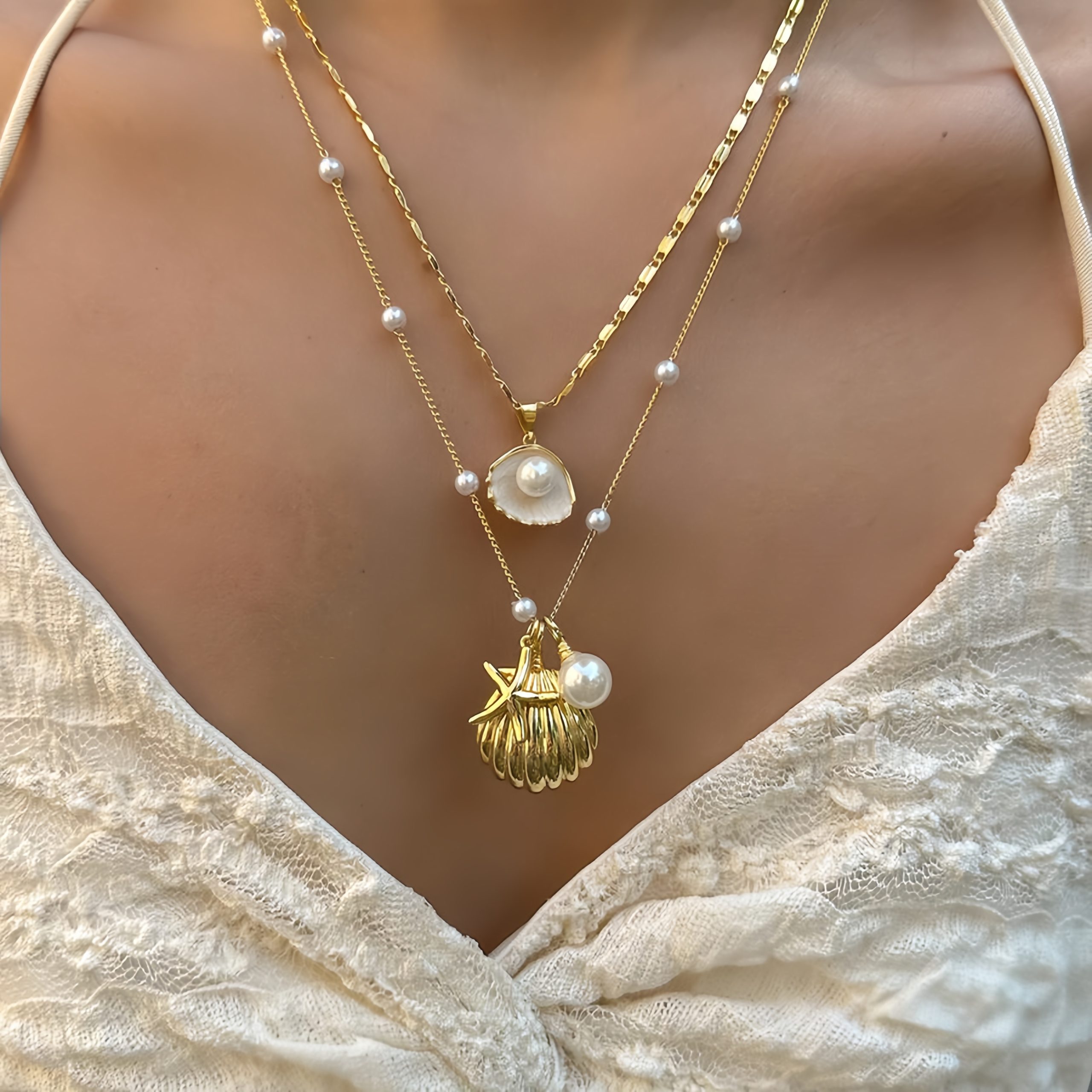
NECKLACES
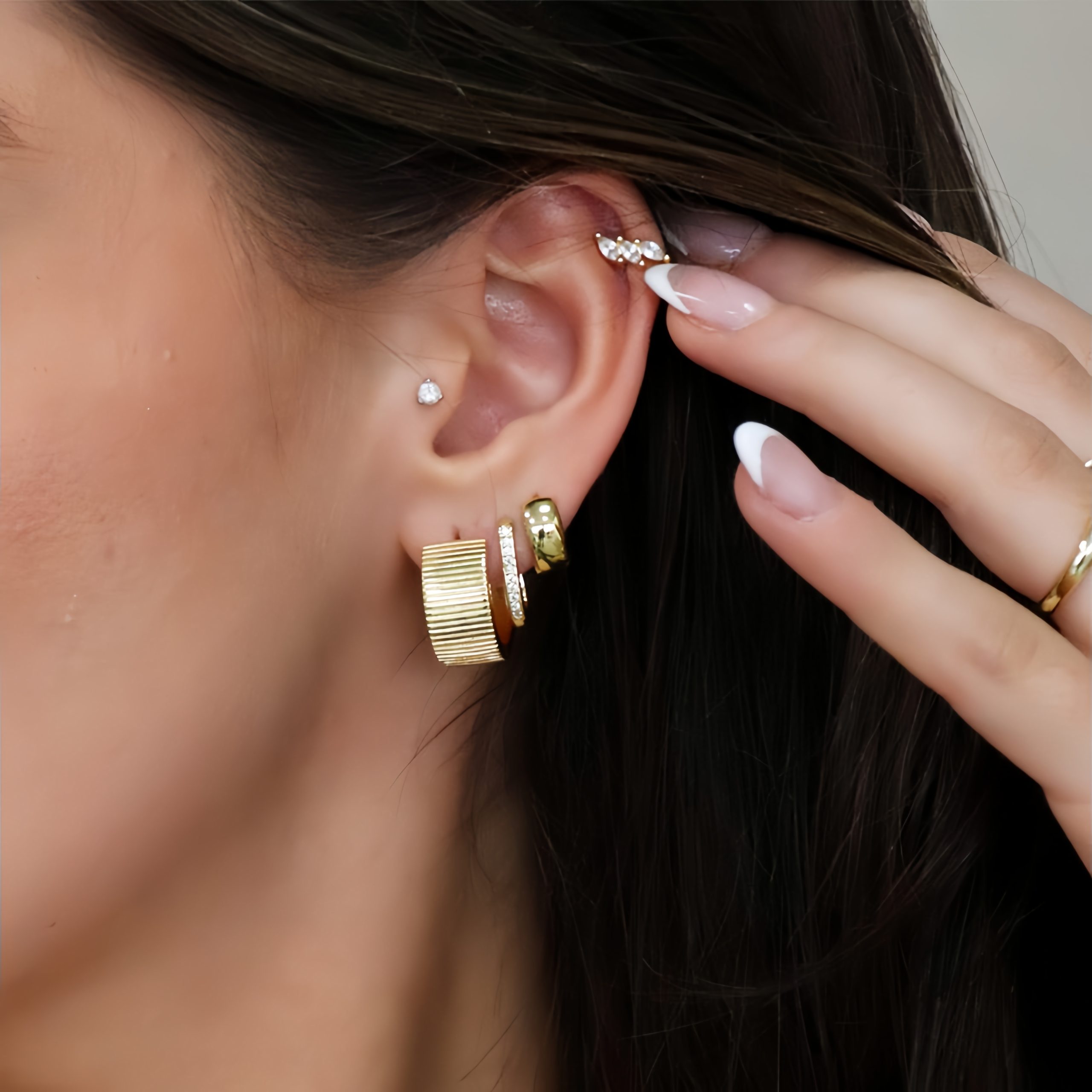
EARRINGS
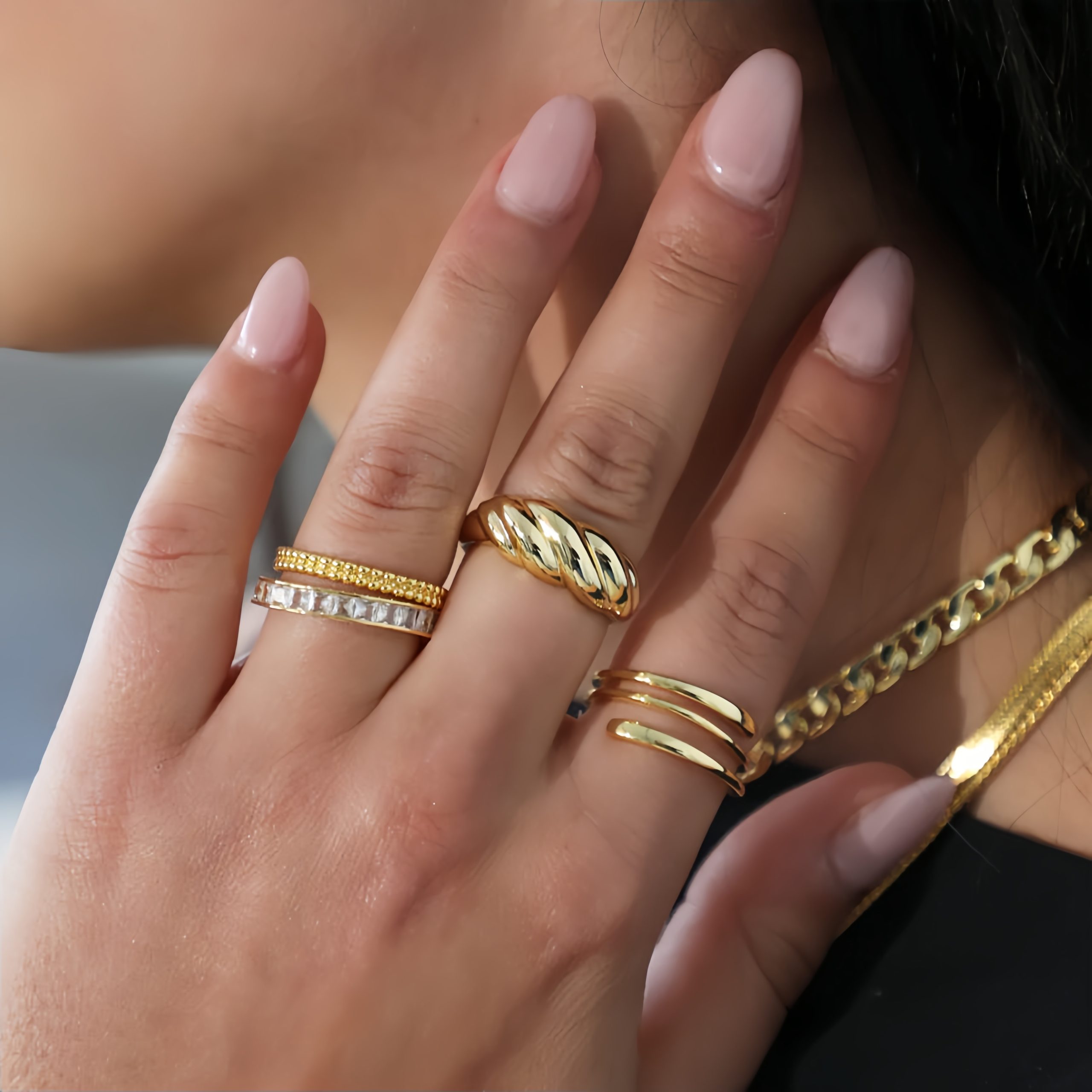
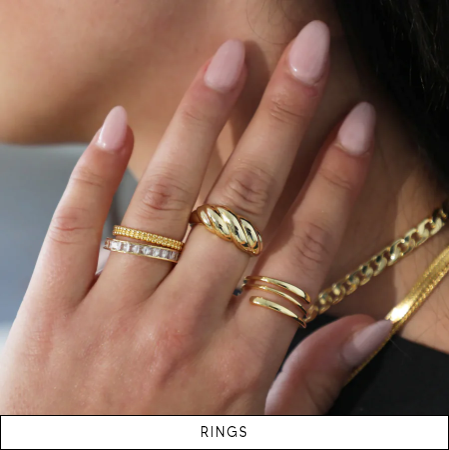
RINGS
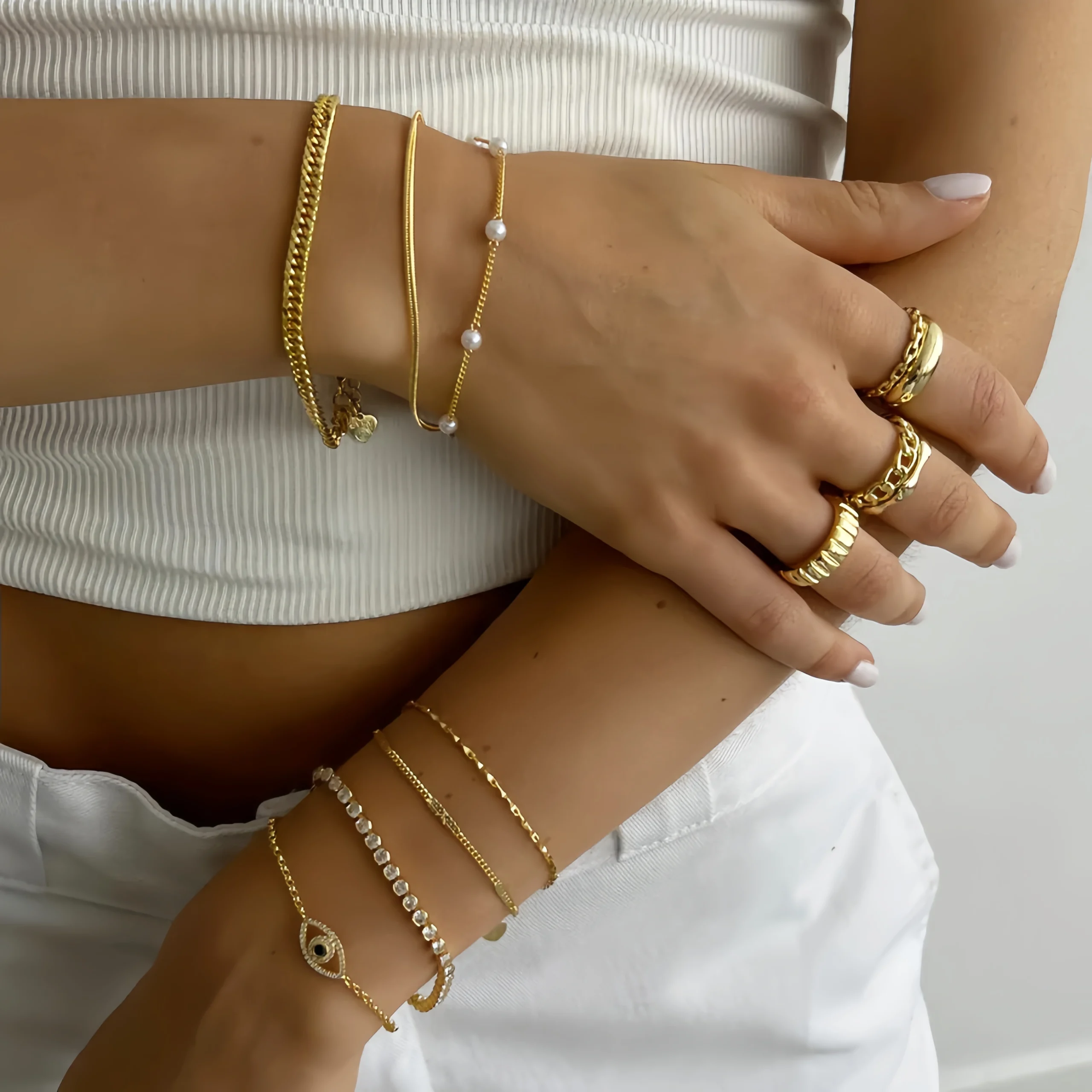
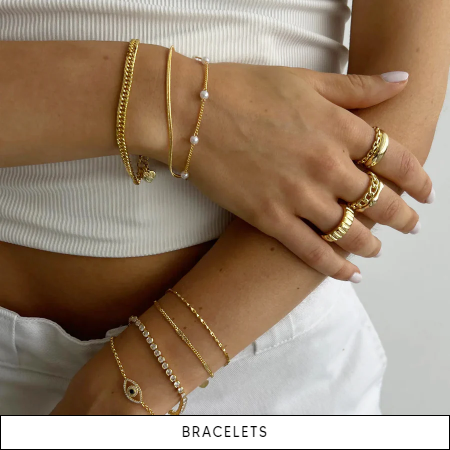
BRACELETS
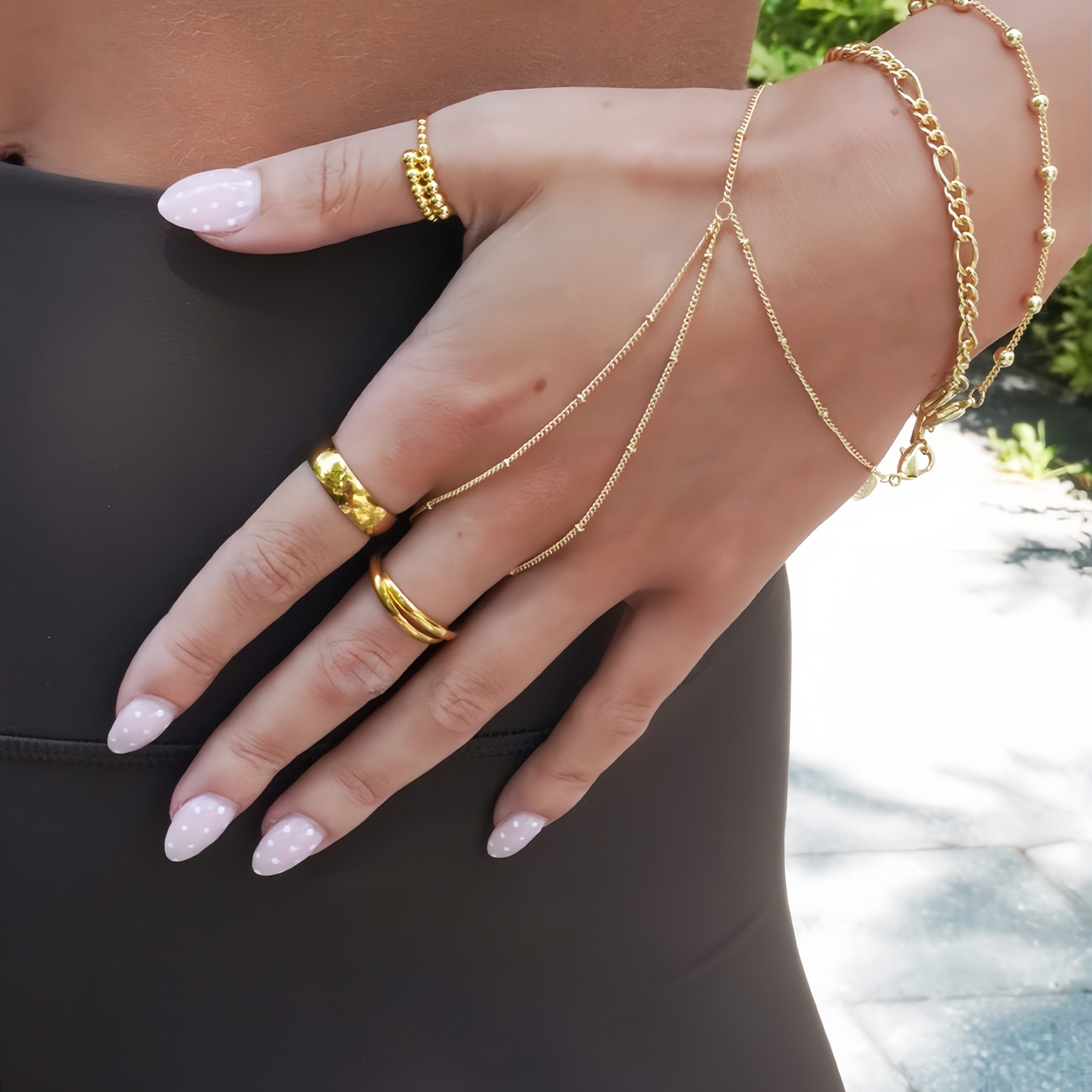
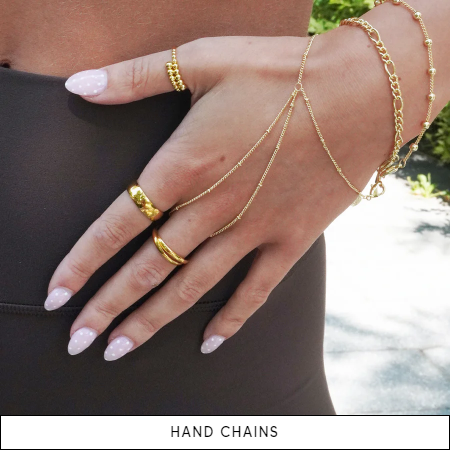
HAND CHAINS

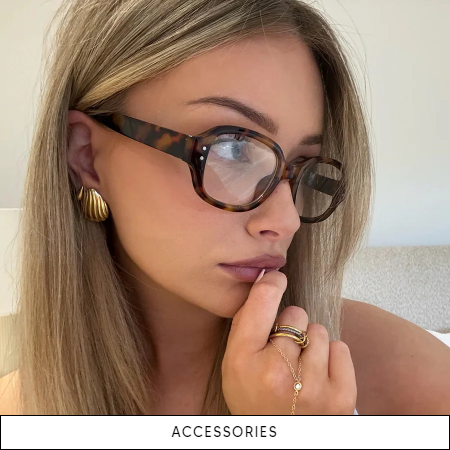
ACCESSORIES
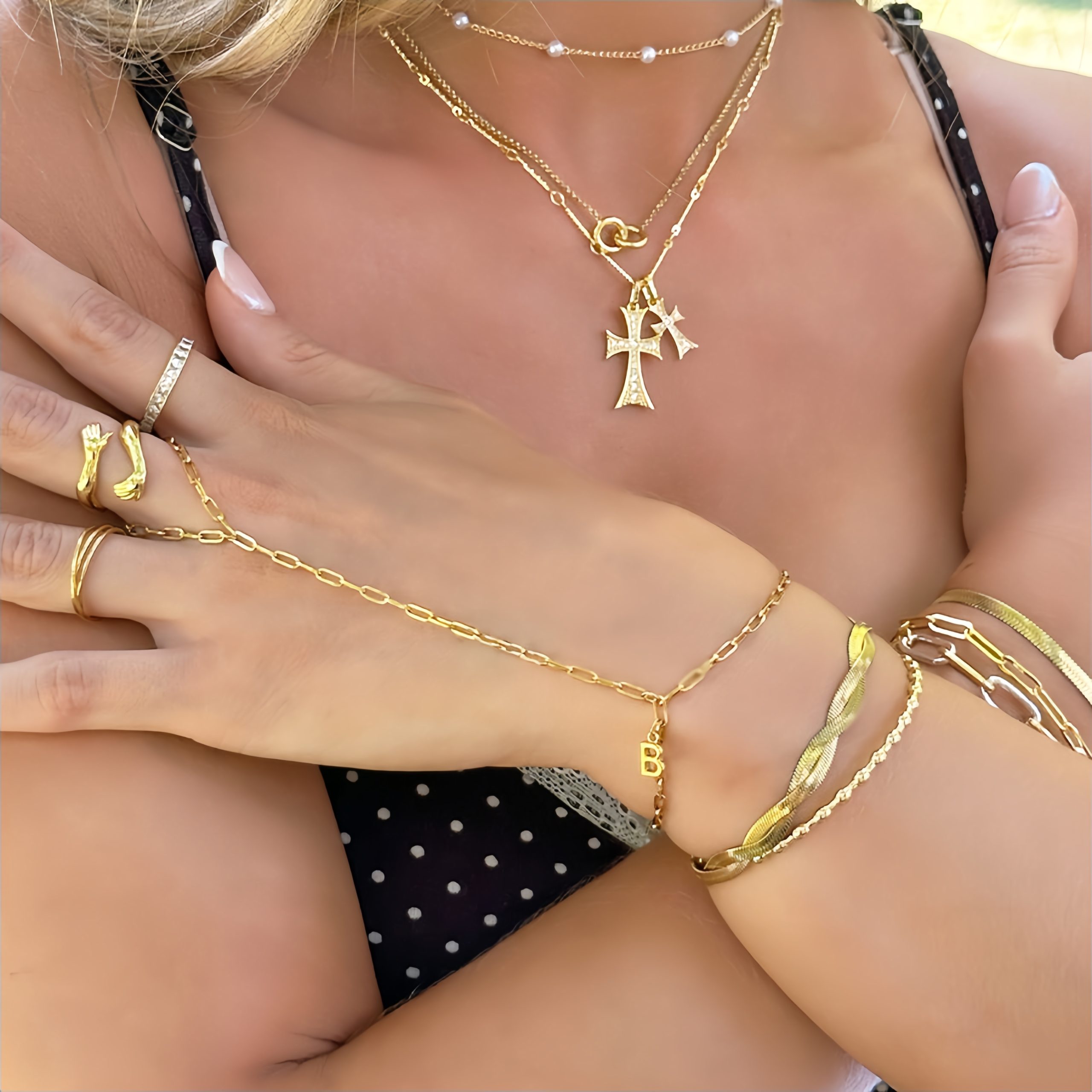
JEWELRY BUNDLES

WATERPROOF
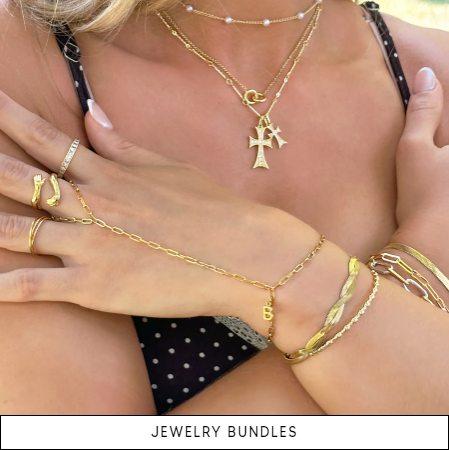

Shop The Latest Drop
Sale!
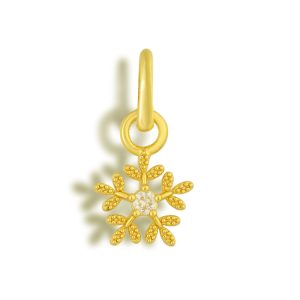
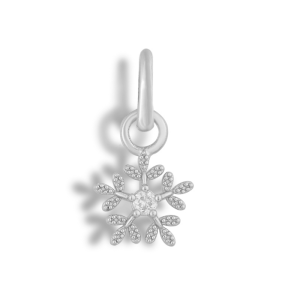
EVRY DEALS
Price range: $2.00 through $3.00
Sale!
BEST SELLERS
Original price was: $16.99.$3.00Current price is: $3.00.
Sale!
BEST SELLERS
Original price was: $16.99.$3.00Current price is: $3.00.
Sale!
BEST SELLERS
Original price was: $19.99.$3.00Current price is: $3.00.
Sale!
BEST SELLERS
Original price was: $19.99.$7.50Current price is: $7.50.
Sale!
BEST SELLERS
Original price was: $19.99.$3.00Current price is: $3.00.
Sale!

BEST SELLERS
Original price was: $19.99.$3.00Current price is: $3.00.
Sale!
BEST SELLERS
Original price was: $22.99.$3.00Current price is: $3.00.
Sale!
BEST SELLERS
Original price was: $19.99.$3.00Current price is: $3.00.
Sale!
BEST SELLERS
Original price was: $19.99.$3.00Current price is: $3.00.



The Enduring Allure: Celebrating Personal Adornment.
The practice of personal embellishment, the deliberate choice to wear an object of beauty or significance, is an ancient, universal human impulse. From the simplest organic materials found in nature to the most meticulously crafted pieces incorporating precious substances, adornment speaks a silent but profound language. It is a fusion of art, memory, and identity, offering a unique window into the wearer’s story.
To view these items merely as accessories is to overlook their deep cultural and emotional resonance. They are tangible links to history, portable forms of artistic expression, and markers of important life passages. Think of the heirloom piece, passed down through generations. It is not just the value of its components that matters; it is the accumulated memories, the echo of past wearers, and the narrative thread it carries forward. When a person fastens a clasp or slides a band onto a finger, they are connecting themselves to a tradition that stretches back millennia, a human desire to elevate the ordinary into the extraordinary.
The materials themselves hold a fascinating duality. Consider the brilliance of a clear, colorless gem—a substance born of immense pressure and time deep within the earth. Its hardness and fire make it a symbol of permanence and unbreakable commitment. Contrast this with the soft, iridescent luster of a naturally formed organic sphere, created by a living creature in the cool, deep sea. This piece represents purity, transformation, and the subtle beauty of nature’s processes. The artisan’s skill lies in taking these raw elements and shaping them, not just into a pleasing form, but into something that feels alive and meaningful. They use the metal’s malleability, the gem’s resistance, and the light’s play to create a miniature sculpture designed to be worn on the moving canvas of the body.
Furthermore, the style of an artifact often reflects the era in which it was created. A piece from the early twentieth century might feature the flowing, naturalistic curves and motifs of Art Nouveau, celebrating the organic world with delicate precision. A later creation might exhibit the bold, geometric lines and symmetry characteristic of the Art Deco movement, reflecting the mechanical age’s fascination with speed and modern structure. By examining the cut of a stone, the finish of the metal, and the overall design language, one can trace shifts in artistic taste, technological advancements in metalworking, and prevailing social values. These items become small, portable museums, chronicling epochs of design history.
But beyond history and artistry, there is the deeply personal aspect of selection and wear. The process of choosing a piece is often an introspective one. It might be selected to commemorate a significant achievement, like a graduation or a professional milestone. It might serve as a private talisman, offering comfort or confidence to the wearer. Perhaps it is a gift, imbued with the affection and intention of the giver, turning a simple object into a symbol of a relationship. The piece then takes on a character of its own, blending with the wearer’s aura and becoming an extension of their personality. A minimalist pendant speaks of understated elegance, while a large, intricate cuff suggests a bold, artistic temperament.
This powerful connection between the person and the piece explains why people feel a genuine sense of loss when an important piece is misplaced. It is not merely the monetary worth, but the severance of an emotional bond. Conversely, finding the perfect new piece can be a moment of genuine joy—a moment of self-discovery where an external object perfectly mirrors an internal feeling or aspiration.
The craftspeople who dedicate themselves to this work understand this intimate connection. Their workshops are spaces where precision meets passion. They employ techniques honed over centuries, whether it is the delicate art of setting tiny stones, the careful manipulation of molten metal, or the intricate skill of engraving a fine, personalized detail. This meticulous work ensures that each creation is not merely mass-produced ornamentation, but a lasting piece of wearable art, designed to withstand the test of time and become a part of someone’s permanent collection.
Ultimately, the act of adorning oneself is an ancient, beautiful ritual of self-expression. It is a declaration that the small, significant details matter. It allows us to carry our stories, our values, and our artistic appreciation with us, visible to the world or held close as a secret source of strength. These shining artifacts are far more than just decoration; they are miniature monuments to human creativity and enduring personal significance.